

Owen Dhliwayo,
The Zimbabwe government has approved the Memorandum of Understanding with SADC member states on the establishment of an International Fisheries Monitoring, Control and Surveillance Coordination Centre for the operationalization of an institution with the sole purpose to coordinate measures relating to fishery monitoring, control and surveillance in the SADC region.
The government made known of the MoU between Zimbabwe and SADC member states during the 25th post Cabinet briefing held on 14th August. According to a 2021 report titled, Protecting our Fisheries; Working Towards our Future, fisheries contribute over 20 percent of the animal protein for the population in the SADC region.
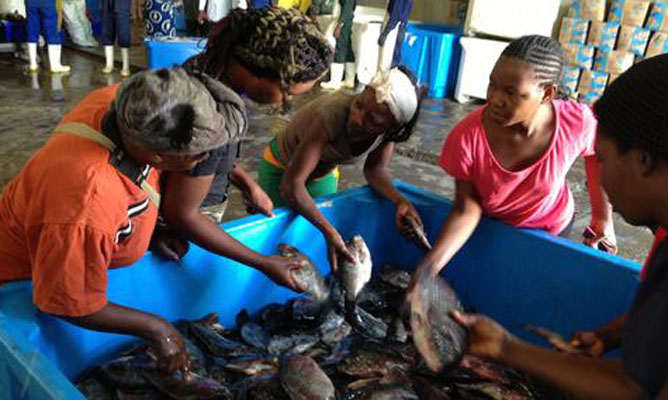
“The SADC region is home to diverse and abundant fishery resources, supporting the livelihoods of millions of people as the region gets around 2.5 million tons annually with marine fisheries contributing about 60 percent and inland fisheries the other 40 percent,” states the report.
According to the SADC report, fishing in the region has caused numerous challenges such as overfishing, illegal fishing practices, habitat degradation and climate change.
“These challenges, local communities have been victims to an elite approach to conservation. It is the belief of the majority of experts on conservation that this move will not deviate from the key principles conservation which do not see informal fishery practices as the problem in fishery monitoring, control and surveillance but progressive partners,” reads part of the report.
SADC has implemented several initiatives to promote fishery conservation that include the SADC Protocol on Fisheries, that aim to promote sustainable fisheries management and cooperation among member states. The Regional Fisheries Management Programme that focuses on capacity building, research and monitoring. Fishery conservation is crucial for the SADC region’s food security, livelihoods and biodiversity.
“Conservation of fisheries resources is about protecting the environment as well as securing the future of communities and not to criminalize small scale fisheries,” said Blessing Matasva, Director of Green Institute.
Located in the heart of Southern Africa, Zimbabwe is strategically positioned to influence fishery conservation efforts in the region. Its extensive inland water bodies such as Lake Kariba and the Zambezi River, support a rich array of aquatic life. By taking a leading role in conservation, Zimbabwe is expected to set an example for the region to ensure the long – term inclusive and sustainable regional fishery conservation.