

Caroline Nyamayaro:
Parallel foreign exchange that had gone haywire on Thursday and Friday up to 1:24 to the United States dollar have since stabilised to around 16 for transfers, following the freezing of four big companies linked to President Emmerson Mnangagwa cronies by the central bank.
In an unprecedented move, Reserve Bank of Zimbabwe froze all the bank accounts of Sakunda Holdings, Access Finance, Spartan Security and Croco Motors accusing the companies of fueling the parallel market rates after pouring in lots of bond notes on to the market.
RBZ financial intelligence unit in a memo to banks said: “The FIU is carrying analysis on the above named entities and their sister group companies. As we carry out further analysis, you are directed to freeze, with immediate effect, all accounts held in the names of the listed entities until further notice.”
Despite the freezing of the accounts, a survey carried by this publication showed that the parallel market rate continued to be higher than the interbank rate.
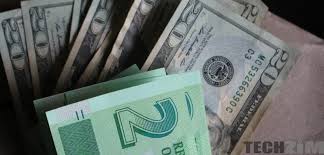
The US dollar was trading at 1:16,20 on the illegal market, while the interbank rate traded 1:13,60.
The local currency has slid by over 1 000% since February when the interbank rate was introduced at an average 1:2,5.
A parallel market dealer who spoke on condition of anonymity said people were coming to the parallel market as they are hedging themselves against inflation.
“The black market continues to give us life, therefore the interbank market rate will not prevail over our rates.” said the dealer.
Black market flourishes for both illegal forex trading and money laundering despite raids by police.
There are unsubstantiated allegations that some top government officials are fueling the black market activities by giving money to traders.
There has been shortage of cash in banks, while money changers are seen with piles of freshly mint cash in the streets.
Three months ago, government outlawed the use of multi-currencies through new regulations saying all forms of transactions should be done in local currency.
The move proved costly as fuel prices have increased more than five times by suppliers, citing foreign currency shortages.