
Domestic violence has become a pandemic within a pandemic in Zimbabwe and world over. The Covid 19 induced lockdowns have seen a huge spike in cases of domestic violence, women in marginalized communities who also happen to lack the knowledge on how to report such unbecoming behaviours by their spouses have largely been affected. With the Covid-19 lockdown restrictions demanding citizens to avoid unnecessary movement, women in Epworth have become victims of domestic violence and most of them have not been able to report their husbands due to different reasons.
By Edina Chido Chisadza
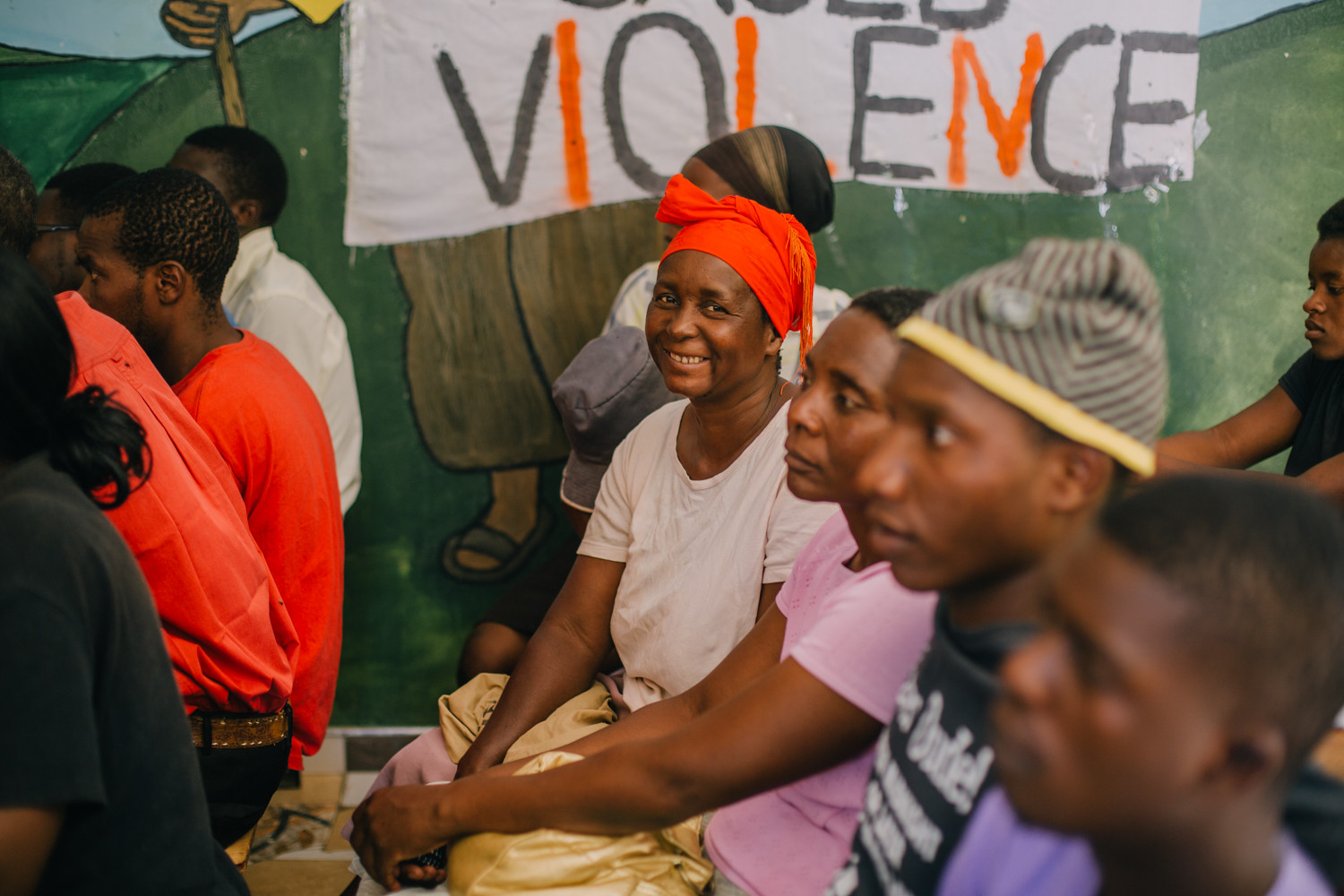
Women in Epworth testified that there has been an increase in domestic violence since the lockdown commenced early last year. Residents believe that the lockdowns have been breeding places for domestic conflicts because it exposed the weaknesses of their counterparts which eventually resulted in a spike in emotional and physical abuse in their homes. It is estimated that over 90% of Epworth residents work in the informal sector and basically live on hand to mouth basis. Sarah Njanji, an Epworth resident attributed the rise in domestic violence to poverty and unemployment rate which was made worse by the lockdowns. A 2020 Zimbabwe Human Rights Organization (Zimrights) report on the impact of lockdown reveals that the lockdown on the informal sector hit women the hardest.
Most cases of domestic violence are due to poverty, religious beliefs which promotes women subordination and higher illiteracy rates and many women do not know where to report “we don’t even know where to report domestic violence issues, so we appealing for the awareness campaigns and some organisations which can teach and help us to know what we are supposed to do in the case of victimisation, and which steps we have to take when we are abused by our husbands” said Tatenda an Epworth house maid
Some women like Tsitsi Muchenge also accused the police for not properly handling and trivialising domestic violence cases, she said “if we report to the police that my husband is abusing me physically or emotionally, the police will ask you to go back home and bring your husband. It is very difficult for us to convince our husband to go to the police station”.
The underlying reasons why most women fail to report domestic violence cases in poverty stricken communities such as Epworth is due to their dependency on the perpetrators who in most cases are breadwinners. A pre-school teacher who identified herself as Miriam said “women do not report domestic violence because they are afraid of breaking their marriages and worry who will look after families if the breadwinner is jailed, so women need jobs or government have to create a marketplace for us in Epworth so that we can sell our products and make money and it will reduce domestic violence because we will not always depend on our husbands income”.
The Zimbabwean economy is also contributing to the rise in domestic violence cases due to job shortages and as the government did not provide any form of social and financial support enough food for people during lockdown. Alouis Nyamazana, a team leader for fathers against abuse said the rise of domestic violence cases during lockdown was caused by families spending time together more than ever before. The lockdowns exposed abusive husbands, many of whom took advantage of the movement restrictions to abuse women because they were not able to go and report.
The levels of abuse in Epworth are too severe as many women refused to be interviewed because they were afraid of their husbands, one Epworth woman made startling revelations that “if you interview me, my husband will kill me”. What may be needed in the case of Epworth is the massive education on their rights and economic empowerment initiatives by government and civil society organisations if the scourge is to be tamed.
Risks of domestic violence continue to intensify in scale and scope while the population is exposed to degenerating food insecurity, compounded by economic hardship and socio economic impact of the COVID-19 pandemic. The national Gender Based Violence (GBV) Hotline (Musasa) has recorded a total of 6,832 GBV calls from the beginning of the lockdown on 30 March 2020 until the end of December 2020, with an overall average increase of over 40 percent compared to the pre-lockdown trends. About 94 percent of the calls are from women an indication that women are at the greater risk due in lockdown situations.